



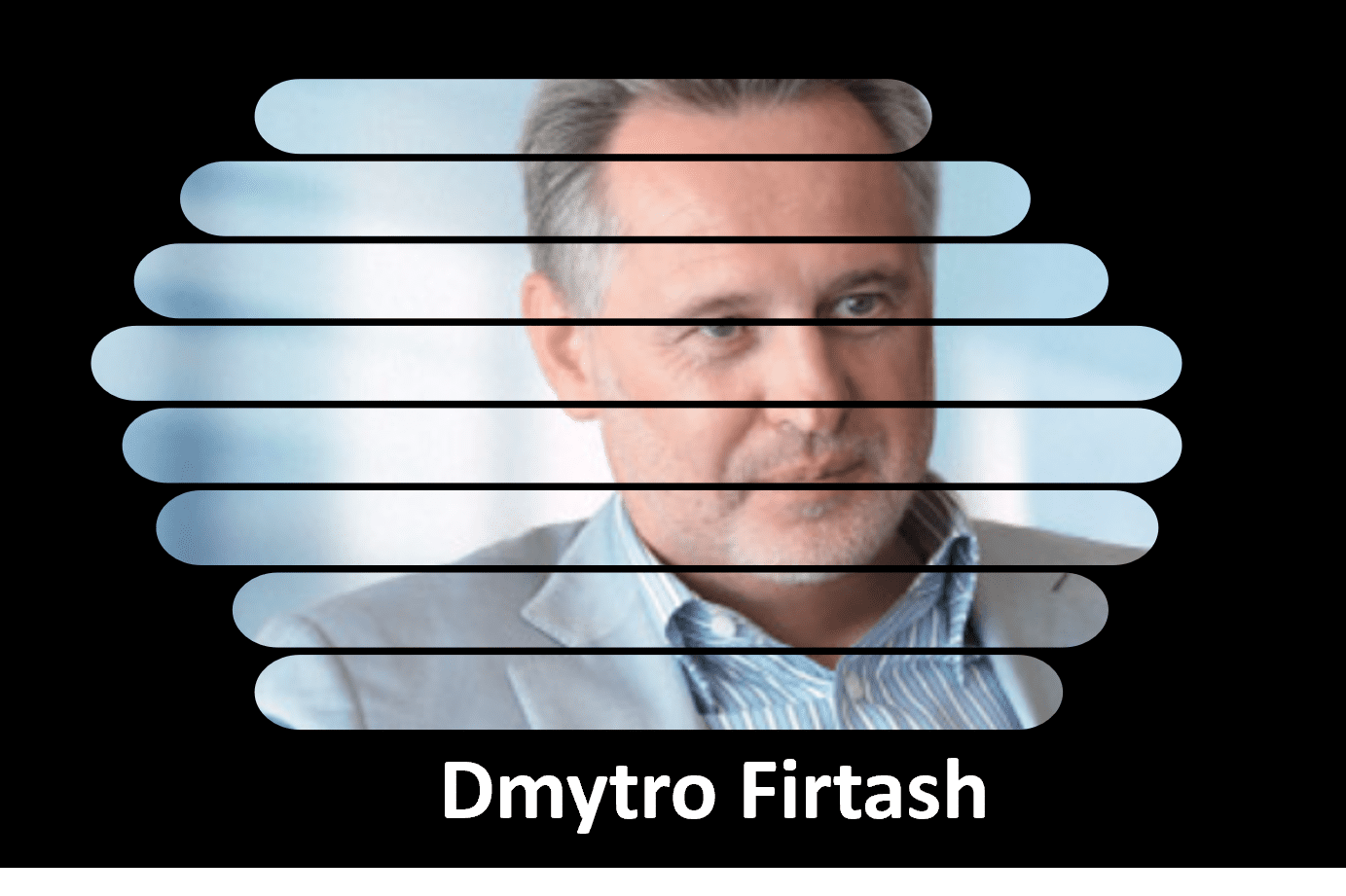
Austria’s appeals court has definitively stopped the extradition of Ukrainian businessman Dmytro Firtash to the United States, closing a decade-long case and sharpening doubts about Vienna’s willingness to confront entrenched oligarch networks.
The Firtash Case
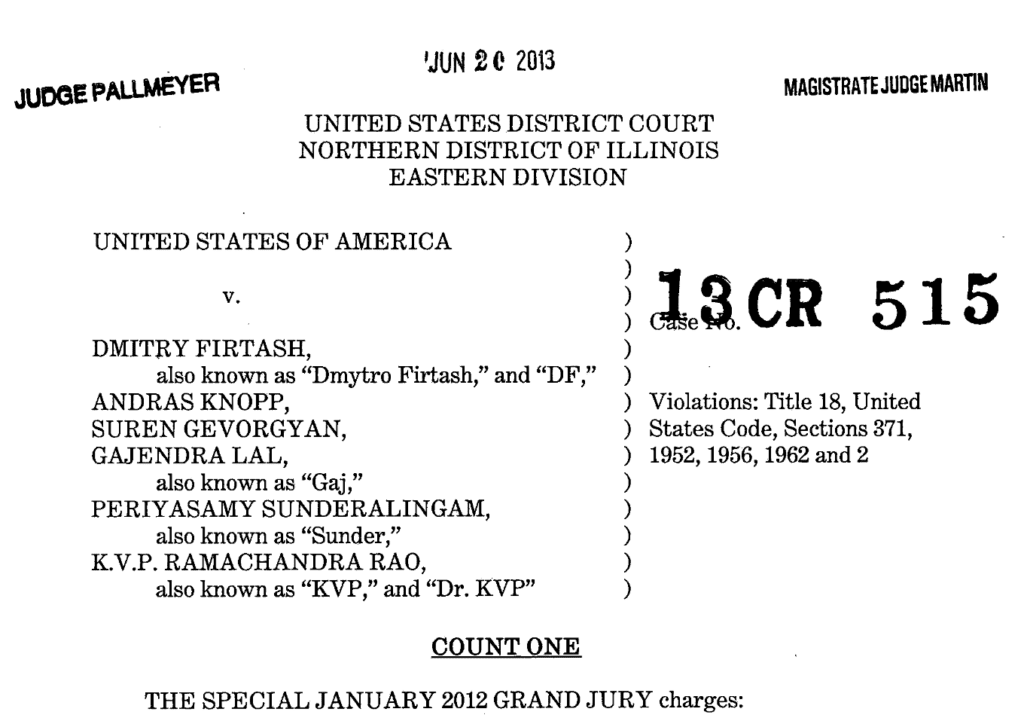
On 9 December 2025, the Vienna Higher Regional Court rejected prosecutors’ appeal and confirmed a 2024 ruling: Firtash will not be surrendered to the U.S (Source: Reuters). A 2013 indictment in Chicago accuses him of orchestrating an $18.5 million bribery scheme to secure titanium mining rights in India, in breach of the U.S. Foreign Corrupt Practices Act (Source: US Indictment). He denies the charges as politically motivated. In parallel, Ukrainian and U.S. authorities accuse him of embezzling nearly $500 million from Ukraine’s gas transit system (Source: Reuters).
Arrest and Extradition Procedures
Arrested in Vienna in 2014, Firtash has fought extradition ever since. A Vienna court first refused the U.S. request in 2015 as partly political, an assessment that already raised eyebrows among anti-corruption experts (Source: Euronews).
Later, higher courts – and the then justice minister – signalled that extradition was legally possible, before new defence motions, a 2023 reopening of proceedings and renewed rulings produced the current refusal (Source: RadioFreeEurope). A Spanish extradition request on money-laundering allegations was also rejected, leaving Firtash still in comfortable exile on the Danube (Source: The Local Austria).
Firtash built his fortune as an intermediary for Russian gas and was a key sponsor of former Ukrainian president Viktor Yanukovych. cdn.csd.bg Vienna’s tolerant environment for post-Soviet capital – with willing banks, prestige lawyers and ex-ministers for hire – has long made the city attractive to oligarchs he is often grouped with. Kremayr & Scheriau+1
Concluding assessment
In March 2015, Firtash hired former foreign and finance minister Michael Spindelegger to run the Firtash-funded Agency for the Modernisation of Ukraine (AMU), just weeks before an Austrian court first refused extradition (Source: en.dmitryfirtash.com).
Spindelegger is a long-time associate and former university “Cartellbruder” of then-justice minister Wolfgang Brandstetter (Source: parlament.gv.at). Ukrainian politicians already criticised the AMU at the time as a project to polish Firtash’s image and fend off extradition (Source: Vorarlberger Nachrichten).
According to a 2015 CIA report seen by FinTelegram, U.S. intelligence assessed that Firtash enjoyed unusually good access to Austrian judges and senior politicians; that report explicitly links the Spindelegger appointment to his extradition fight (Source: Wiener Zocker). Austrian journalist Florian Horcicka has likewise argued that bringing Spindelegger on board substantially improved Firtash’s chances of avoiding a U.S. courtroom, fitting a broader pattern of oligarchs using Vienna’s political class as legal and reputational shields (Source: Kremayr & Scheriau).
This ruling therefore reinforces the picture of Austria as a jurisdiction where money, influence and revolving doors can blunt international anti-corruption efforts at the expense of Ukraine, the U.S. and the credibility of the rule of law. FinTelegram calls on insiders, advisers and officials with knowledge of Firtash’s networks in Austria and Ukraine to contact us confidentially and provide further information about his activities and protection structures.